
26 May 2026
Thorney Motorsport announces its own McLaren suspension accumulators
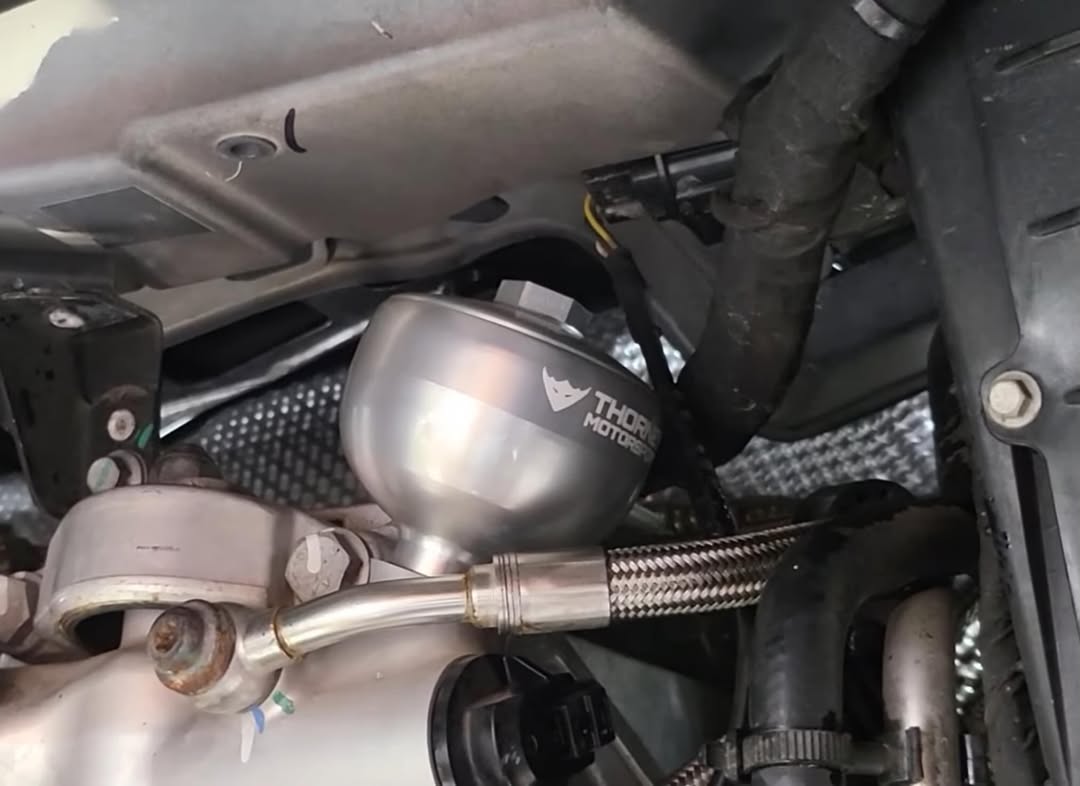
Thorney Motorsport has announced its own suspension accumulators for McLaren models, adding another practical, owner-focused solution to one of the best-known maintenance areas on modern McLaren road cars.
For many McLaren Super Series owners, the word accumulator appears sooner or later in conversations about ride quality, warning messages, suspension behaviour and the long-term health of the ProActive Chassis Control system. The hydraulic suspension fitted to cars such as the 12C, 650S, 675LT, 720S and related models is one of the features that makes these cars feel so different from a conventional sports car. Instead of relying on traditional anti-roll bars, the system links the dampers hydraulically and uses pressurised accumulators to help manage body control, comfort and response.
Those accumulators are small parts, but they do important work. In simple terms, an accumulator stores hydraulic pressure using a gas-charged chamber separated from the fluid circuit. As the suspension moves, the accumulator helps absorb pressure changes and keeps the system behaving as McLaren intended. When an accumulator loses pressure or its internal diaphragm degrades, the car can begin to feel harsher, less settled or less consistent. Owners may notice a ride that feels busy over poor surfaces, odd behaviour between handling modes, hydraulic faults, or a general sense that the car has lost some of the fluency that made it special in the first place.
That matters because McLaren suspension is not just a comfort feature. It is part of the character of the car. A healthy system gives a 12C or 650S the ability to ride with surprising compliance and then tighten up for fast road or track use. On later cars, the same principle underpins the balance between everyday usability and serious performance. When the accumulator side of the system is not working properly, owners can end up chasing symptoms around the car rather than dealing with the pressure reserve that helps the hydraulic network function correctly.
Thorney's decision to produce its own accumulator solution is therefore more than a parts announcement. It reflects a familiar pattern in the independent McLaren world: specialists are increasingly solving known ownership problems directly, rather than waiting for expensive or limited supply routes to dictate what owners can do. A well-supported accumulator option gives workshops and owners another way to keep these cars feeling right, particularly as the early MP4-12C and 650S generation moves further away from main-dealer-only maintenance.
The announcement is also notable because Thorney has published a detailed installation video for owners who want to understand the job, or even carry it out themselves if they have the right tools, workspace and confidence. That sort of transparency is valuable. Suspension hydraulics can sound intimidating, and McLaren parts are often discussed as if they are inaccessible by default. By showing the process on video, Thorney is not just selling a component; it is helping demystify the system for the wider McLaren community.
For owners, the video is useful even if the car ultimately goes to a specialist. It shows what is involved, where the accumulators sit in the broader suspension system, and why the job should be approached carefully. Hydraulic systems need clean working practices, correct depressurisation and sensible checks afterwards. A DIY-friendly video does not make the job trivial, but it does give technically minded owners a clearer view of what they are paying for and what questions to ask before booking work.
That openness is a strong signal of how Thorney positions itself in the McLaren market. The business has long been associated with servicing, warranty support, performance upgrades and ownership advice, but this kind of content shows a broader commitment to keeping the cars usable. McLarens reward proper specialist care, and the best specialists know that an informed owner is easier to support. Sharing the installation process publicly builds confidence because it treats the community as capable enthusiasts rather than as people who should be kept at arm's length from the technical detail.
Accumulator health is also a good example of why independent McLaren expertise matters. The symptoms can overlap with other issues: tyres, dampers, ride-height calibration, hydraulic fluid condition, mode selection behaviour and stored fault codes can all influence how the car feels. A specialist who understands the platform can separate a genuine accumulator issue from a broader suspension diagnosis, then advise whether replacement is preventative, urgent or simply part of restoring the car to the way it should drive.
As the McLaren used market matures, these sorts of solutions become increasingly important. Owners want cars that remain exciting without feeling financially opaque. Parts availability, sensible repair routes and clear technical education all help protect confidence in the brand. Thorney producing its own suspension accumulators, then backing the launch with a practical installation guide, is exactly the sort of development that makes long-term McLaren ownership feel more sustainable.
For anyone running a McLaren with ProActive Chassis Control, the announcement is worth paying attention to. Even if the accumulators on a particular car are currently healthy, understanding the system and knowing that a specialist-supported replacement path exists is useful ownership knowledge. For cars already showing signs of harshness, instability or hydraulic suspension concerns, it gives owners another concrete topic to raise during diagnosis.
Most of all, the move underlines Thorney's role in the McLaren community. This is not just a workshop adding another part number to a catalogue. It is a specialist using its experience to address a known maintenance need, making the solution visible, and giving owners enough information to make better decisions about their cars.